Manufacturing downtime remains one of the most expensive challenges facing Michigan's industrial sector. Recent studies show that unplanned equipment failures cost manufacturers between $260,000 and $500,000 per hour, with small to mid-sized operations particularly vulnerable to these disruptions.
The automotive and industrial manufacturing sectors in Metro Detroit face unique pressures. Legacy equipment, aging infrastructure, and the integration of new technologies create a perfect storm for potential failures. However, forward-thinking manufacturers are implementing proactive IT strategies that dramatically reduce downtime incidents.
Predictive maintenance systems represent the first line of defense. By deploying IoT sensors across production equipment, manufacturers can monitor machine health in real-time. Temperature fluctuations, vibration patterns, and performance metrics provide early warning signs of impending failures—often weeks before catastrophic breakdowns occur.
Modern SCADA systems integrated with cloud analytics enable plant managers to identify trends and schedule maintenance during planned downtime windows. This shift from reactive to predictive maintenance has helped Michigan manufacturers reduce unplanned downtime by up to 45%.
Network infrastructure plays a critical role in downtime prevention. Manufacturing operations increasingly rely on connected systems—from inventory management to quality control. A single network failure can cascade across multiple production lines, multiplying losses exponentially.
Redundant network architecture with automatic failover capabilities ensures continuous connectivity. Manufacturers implementing dual internet connections, backup power systems, and redundant switches report 99.9% uptime across their IT infrastructure.
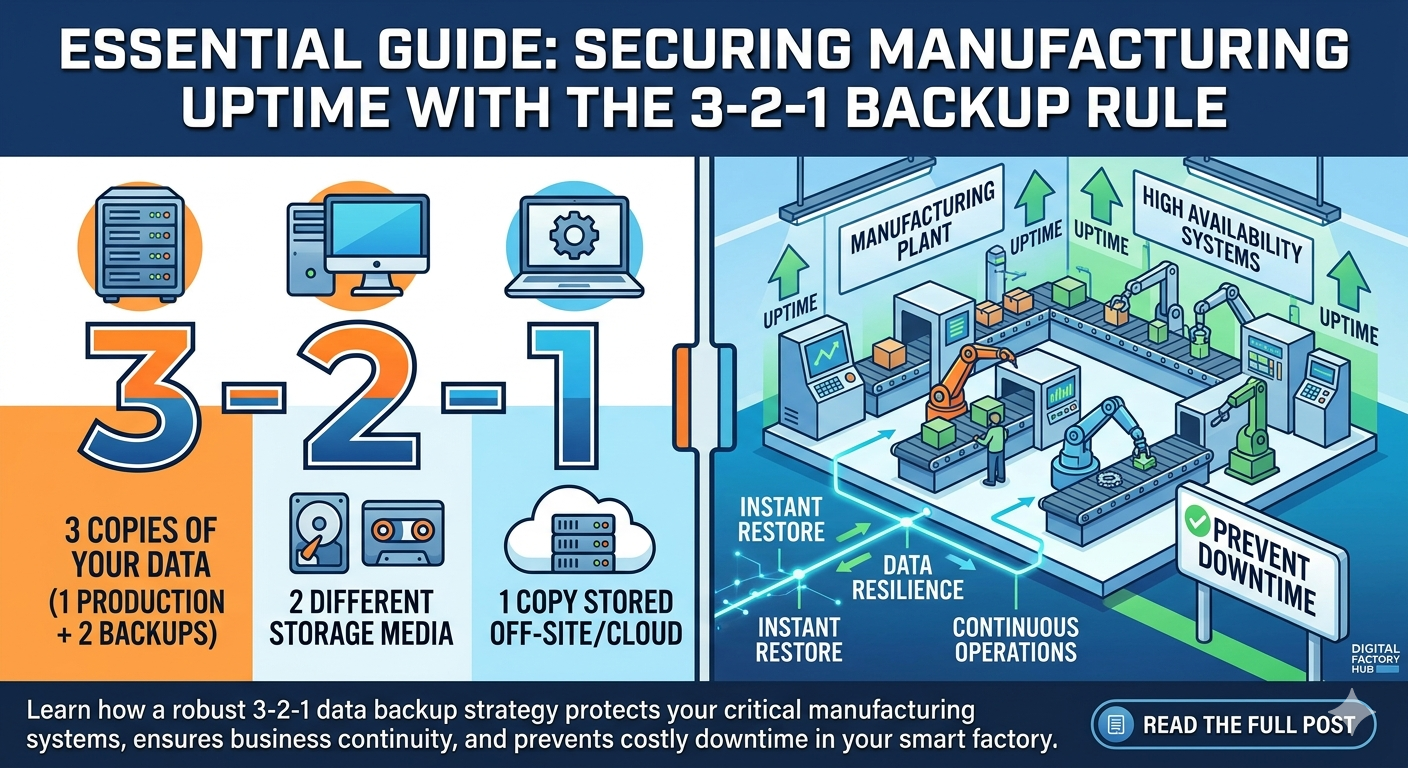
Cybersecurity measures have become equally important. Ransomware attacks targeting manufacturing facilities have increased 300% since 2024. A single successful attack can shut down production for days or weeks. Implementing network segmentation, regular backups, and employee training programs creates multiple layers of protection.
Real-time monitoring dashboards give operations managers instant visibility into system health. When issues arise, automated alerts enable rapid response before minor problems escalate into production-stopping failures. This proactive approach transforms IT from a cost center into a strategic asset that directly impacts the bottom line.